
A new fuel-storage infrastructure project is scheduled for a groundbreaking ceremony in Kampala as Uganda continues developing energy logistics.

Uganda is preparing for the groundbreaking of the Kampala Storage Terminal, with President Yoweri Museveni scheduled to preside over the ceremony on Thursday, September 17, 2026.
The project is being presented as an important development in the country’s fuel and energy logistics infrastructure. Details about construction phases and the final operational structure will be closely watched as the project moves from planning into implementation.
Fuel storage facilities are an important part of an energy supply chain because they provide a buffer between imported or transported fuel and final consumers. Without adequate storage capacity, disruptions in transport can quickly affect fuel availability.
A strategically located terminal can help companies receive, store and distribute petroleum products more efficiently, although the exact benefits depend on its capacity, connectivity and management.
Kampala is Uganda’s main commercial centre and a major distribution point for goods moving across the country. A storage terminal in the capital can therefore have implications for transport companies, fuel distributors and businesses that depend on reliable petroleum supplies.
The project also comes at a time when Uganda’s energy sector is receiving increased attention because of infrastructure development and regional oil-related projects.
The scheduled groundbreaking is an early milestone rather than the completion of the terminal. Large infrastructure projects normally require financing, engineering, procurement, construction, regulatory approvals and operational planning.
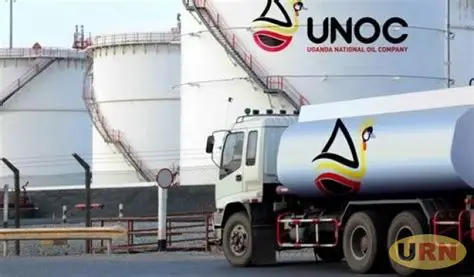
The public will therefore be interested in the project’s construction timeline, cost, capacity and expected role in the wider fuel-distribution network as more information becomes available.
Energy infrastructure can have an effect on prices and supply reliability, although a new facility does not automatically guarantee lower pump prices. Retail fuel prices are influenced by international crude prices, taxes, transport costs, exchange rates, storage expenses and market competition.
A terminal can potentially reduce logistical inefficiencies, but the eventual effect on consumers will depend on how the whole supply chain operates.
The terminal is also relevant to Uganda’s broader infrastructure strategy. As the economy grows, demand for transport and energy services increases.
aReliable storage and distribution systems can help businesses plan and reduce the risk of shortages caused by interruptions in supply routes.
At the same time, infrastructure projects need strong safety standards because petroleum products are flammable and require careful handling.
The September 17 ceremony will therefore be an opportunity for government and project stakeholders to outline the terminal’s purpose and expected benefits.
Information on investment, employment, construction stages and environmental and safety measures will help the public understand how the project fits into Uganda’s energy system.
For now, the key development is the planned groundbreaking. As construction begins, attention will shift toward implementation, timelines and the terminal’s eventual contribution to fuel storage and distribution.
Further official details will be important in assessing the project’s scale and long-term role in Uganda’s energy infrastructure.