
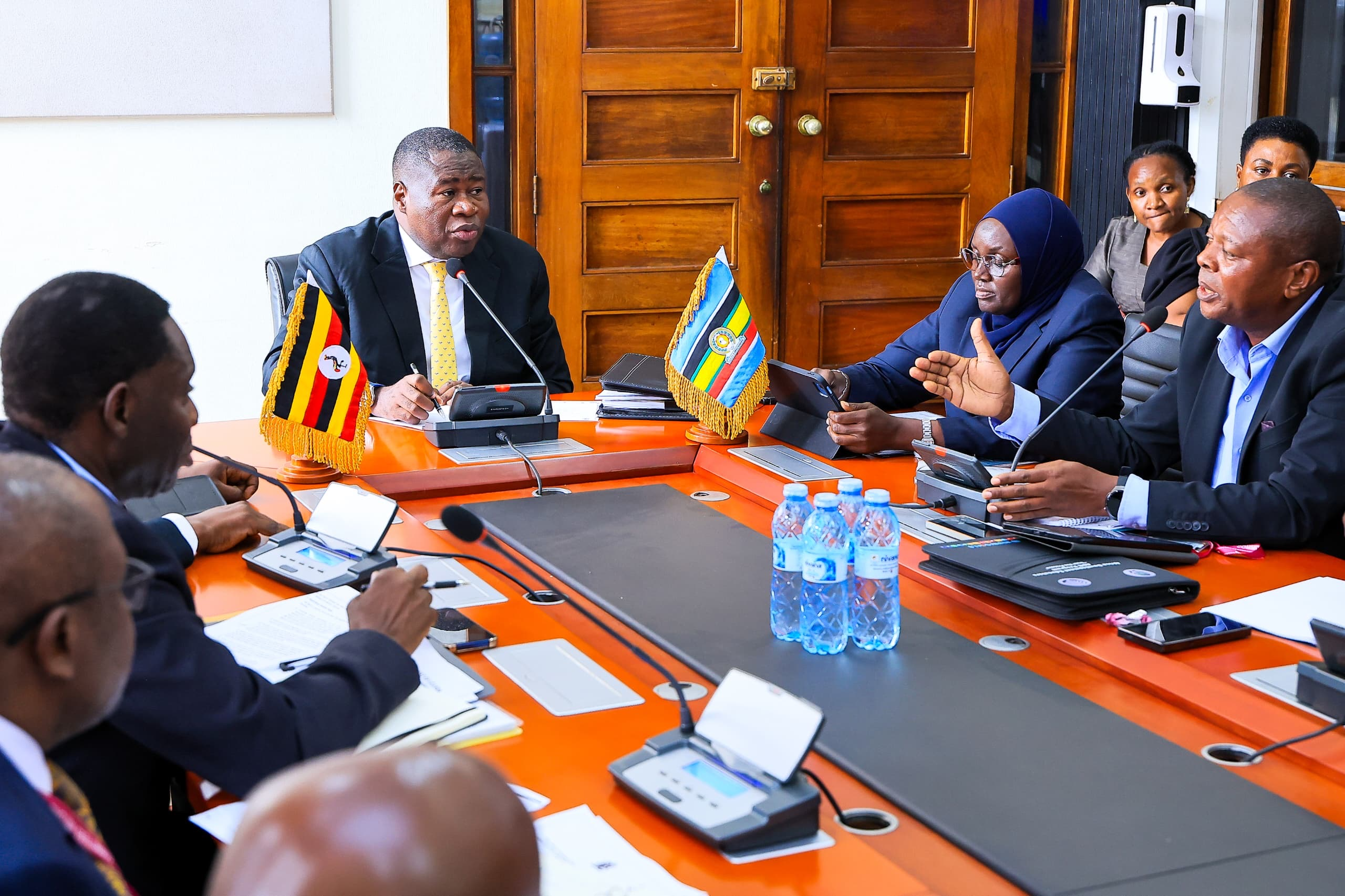
A dispute between the Bank of Uganda and the Uganda Co-operative Savings and Credit Union Limited over the regulation of large SACCOs has moved toward a possible resolution following intervention by Parliament.
Speaker Jacob Marksons Oboth held a meeting involving Bank of Uganda officials, cooperative leaders and Ministry of Finance officials after SACCO representatives raised concerns about licensing requirements. The discussion focused on how existing laws apply to SACCOs and whether the regulatory framework should be amended.
The dispute centres on a Bank of Uganda directive requiring large SACCOs to apply for licences by September 30, 2026. Under the directive, SACCOs that had not obtained the required licence by October 1 could lose access to the commercial banking system, including access to deposits held in commercial banks and some mobile-money transactions.
Bank of Uganda has maintained that the licensing requirement is based on existing legislation, including the Microfinance Deposit-Taking Institutions Act and the 2023 regulations covering registered societies. Governor Michael Atingi-Ego said the central bank had already extended the original deadline and engaged the cooperative movement over regulatory concerns.
According to the Bank of Uganda, eight SACCOs had already been fully licensed, 21 were at the final stage and approximately 50 had picked application forms.
SACCO leaders, however, said they were not opposed to regulation. Their concern was that the sector is governed through different legal and institutional arrangements and that a harmonised framework would provide greater clarity.
Following the parliamentary meeting, the Ministry of Finance was directed to begin work on an amendment to the law. The discussions also proposed a phased compliance arrangement. Large SACCOs were encouraged to demonstrate willingness to comply by picking licensing forms, while SACCOs making genuine efforts to complete the process could be considered under a longer transition.
One proposed milestone is March 31, 2027 for SACCOs that make genuine efforts to complete licensing, with June 30, 2027 discussed as a possible outer limit subject to the position of the central bank.
The issue has attracted attention because SACCOs play a major role in Uganda’s financial system, particularly among communities, workers, farmers and other groups that rely on cooperative savings and lending.
For members of affected SACCOs, the key concern is continuity of financial services. Any disruption to access to commercial banking channels or mobile-money transactions could affect deposits, loan repayments, withdrawals and other routine activities.
The central bank has also raised financial-compliance concerns. Governor Atingi-Ego warned that Uganda could face risks in relation to international financial standards if large financial institutions operate without appropriate regulatory oversight.
The parliamentary intervention therefore seeks to balance two issues: enforcement of existing financial laws and the concerns of cooperative organisations about how those laws apply to a rapidly growing SACCO sector.
The proposed legal review will be important because any amendment would need to clarify which institutions regulate SACCOs, what licensing requirements apply and how existing cooperatives should transition into the regulatory system.
For now, the dispute has moved from an immediate confrontation over the September deadline toward discussions on phased compliance and possible legislative changes. The central bank continues to emphasise the need for regulation, while SACCO representatives continue to call for a clear and harmonised framework.