
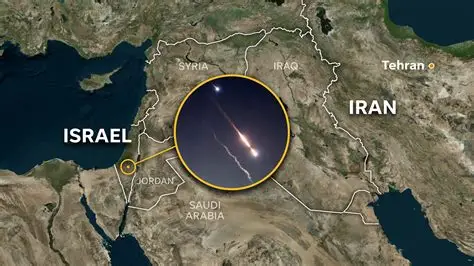
Iran has proposed a seven-day roadmap aimed at creating a path out of its confrontation with the United States and addressing the continuing crisis surrounding the Strait of Hormuz.
The proposal is significant because the Strait is one of the world’s most important maritime energy routes. Any prolonged disruption can affect shipping, insurance, energy prices and the wider global economy. Iran has linked changes in the status of the waterway to broader political and security conditions.
Diplomatic activity has increased as governments attempt to find a way from military confrontation toward negotiations. The United States and Iran remain divided over the order in which steps should be taken. Tehran has sought guarantees and changes in the surrounding security situation, while Washington has demanded assurances concerning navigation and regional security.
The disagreement over sequencing is important. In negotiations, each side generally wants evidence that the other side is prepared to act before making concessions of its own. That creates a problem when both governments believe the other should move first.
The Strait of Hormuz gives Iran considerable strategic leverage because of its geographical position. At the same time, maintaining prolonged disruption can impose costs on Iran as well as on other countries. Regional economies depend heavily on stable shipping and energy exports.
International governments are therefore watching the diplomatic process closely. European states and other countries have an interest in preventing a wider regional escalation and in maintaining freedom of navigation.
The economic consequences of uncertainty can be extensive. Shipping companies may face higher insurance costs, vessels may seek alternative routes, and energy traders may price additional risk into contracts. Those costs can eventually affect consumers through fuel, transportation and manufacturing prices.
The seven-day roadmap should not be interpreted as a completed peace agreement. It is a proposal for a sequence of actions that would have to be negotiated and implemented. Its success would depend on whether Washington and Tehran can agree on the details and whether both sides believe the other is complying.
The diplomatic effort also illustrates how regional conflicts can quickly become global economic issues. A waterway that is geographically narrow can influence markets thousands of kilometres away because of its role in international energy trade.
The coming days will therefore be important. If negotiations produce a workable arrangement, shipping conditions could improve and economic pressure could ease. If the sides remain divided, uncertainty around Hormuz could continue.
For governments and businesses outside the Middle East, the key issue is stability. A durable reopening of the waterway would reduce one source of risk, while continuing disruption could prolong uncertainty across energy and transport markets.
The proposal represents an attempt to move the crisis toward diplomacy, but its ultimate effect will depend on whether the United States, Iran and other involved governments can translate the framework into concrete steps.