
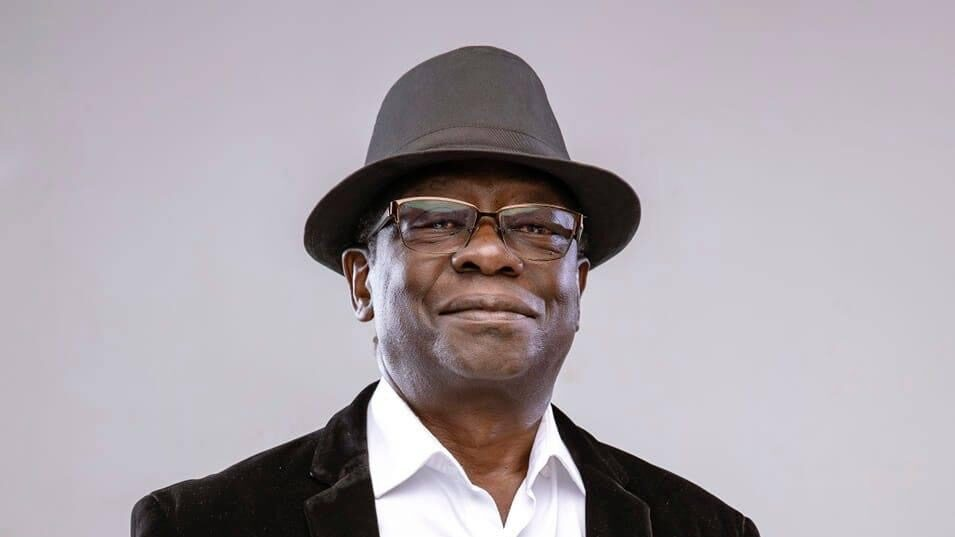
Uganda has bid farewell to veteran musician and Afrigo Band leader Moses Matovu Bukenya, popularly known as Papa Moi, whose death has left a major mark on the country’s music industry.
Thousands of mourners gathered in Kyanja, Kampala, on Friday, September 25, to pay their final respects to the musician, who died aged 77 after sustaining injuries in an attack in the Kibuli area.
According to Uganda Broadcasting Corporation, Matovu died on Thursday, September 24, after he was attacked at Kibuli Market Zone B in Makindye Division. He was rushed to Kibuli Hospital but later died from the injuries.
Police opened a murder investigation as detectives sought to establish the circumstances surrounding the incident. New Vision separately reported that detectives searched the home of a key suspect in Nansana and recovered clothing allegedly worn on the day of the incident.

The burial brought together people from different parts of Uganda’s public life. Muslim funeral prayers were held in Kibuli before the body was taken to the National Theatre and later to Kyanja for a vigil and burial. His family said the Government supported the funeral arrangements.
The large turnout reflected Matovu’s long-standing influence on Ugandan music and entertainment.
Matovu’s career stretched across nearly six decades. He was born on June 19, 1949, in Kawempe, Kampala. He began his musical journey in the 1960s with the Thunderbirds Band before joining the Police Band and later the Cranes Band. After the Cranes Band folded, he and fellow musicians helped form Afrigo Band in the 1970s.
Afrigo became one of Uganda’s longest-running and most recognisable bands. The group marked its 50th anniversary in 2025, underlining the extraordinary length of the institution Matovu helped build.
He served in several musical roles, including vocalist, saxophonist, composer, arranger and band leader. His career connected several generations of Ugandan listeners and performers.
Police investigations into the circumstances of Matovu’s death remain important as the country continues to mourn. Authorities have said that the exact circumstances surrounding the confrontation must be established through investigations.
This distinction is important because preliminary accounts of a criminal incident can change as witnesses are interviewed and evidence is examined.
For Uganda’s entertainment sector, Matovu’s death also renews attention on the contribution of veteran musicians whose work helped establish the country’s modern popular music scene.
Afrigo’s longevity gave the band a unique place in Uganda’s cultural history, while Matovu’s leadership made him a familiar figure to audiences at home and abroad.
As tributes continue, the immediate focus remains on remembering Matovu’s contribution while allowing investigators to complete their work. His burial in Kyanja closed one chapter of a career that began in the 1960s and continued through Afrigo Band’s historic 50th anniversary.
For many Ugandans, his name remains closely associated with the sound, resilience and evolution of the country’s live music industry