
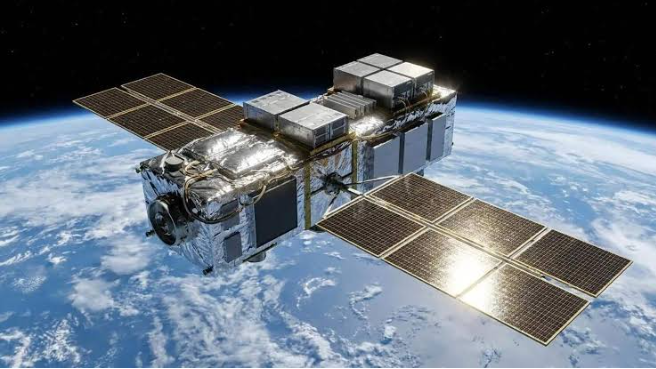
Indian space startup TakeMe2Space plans to launch an orbital computing satellite aboard a SpaceX rocket on October 1, in a mission designed to process data in space rather than send large amounts of raw information back to Earth.
The company’s MOI-1A spacecraft, which weighs less than 50 kg, is scheduled to fly on SpaceX’s Transporter-18 rideshare mission. The satellite is equipped with Nvidia Orin NX edge-computing processors that will allow it to perform data processing while in orbit.
Processing Data in Space
TakeMe2Space says the satellite will allow customers to upload containerized artificial intelligence models that can process information as the spacecraft passes over specific areas.
Instead of sending an entire dataset to Earth for processing, the satellite can analyse the information in orbit and transmit the results. This could reduce the amount of data that needs to be downloaded and potentially lower costs for customers dealing with large datasets.
The company has already signed 23 customers for the mission, including geographic information system companies and educational institutions.
Its commercial users are expected to come from sectors such as agriculture, mining, supply-chain management and insurance. US-based space data analytics company Little Place Labs is among the customers.
TakeMe2Space founder and CEO Ronak Samantray told Reuters that the value of the system comes partly from reducing the cost of downloading large amounts of raw satellite data before processing it on Earth.
Growing Interest in Space-Based Computing

The MOI-1A is an edge-computing satellite rather than a conventional orbital data centre. It is expected to operate with about 150 watts of power.
TakeMe2Space’s approach comes as companies around the world explore the possibility of moving some computing workloads into space. SpaceX and other companies are also examining larger-scale orbital computing systems, although those projects involve significantly more powerful hardware and different designs.
For TakeMe2Space, the current mission is part of a longer-term plan to build larger and networked satellites capable of serving multiple customers.
The startup previously demonstrated its technology in a late-2024 mission, showing that applications could be uploaded, processed using AI in orbit and then returned as results. A later MOI-1 satellite was lost following a launch-vehicle third-stage failure.
TakeMe2Space is also exploring the possibility of using satellites for cold storage of critical data. The company says this could provide financial and defence customers with another location for backing up important information outside traditional terrestrial cloud systems.
Plans for Larger Satellites
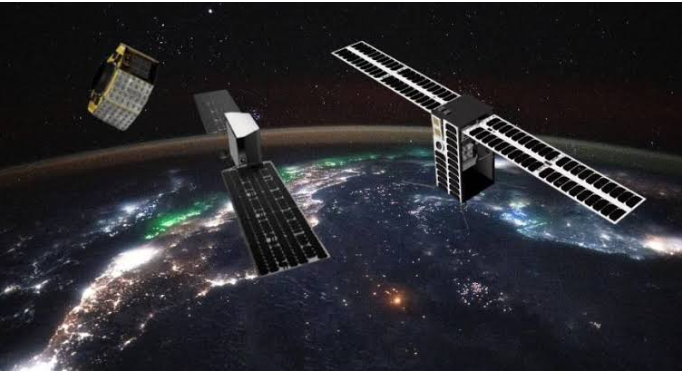
The company says it designs and manufactures most of its satellite subsystems in India, while obtaining components such as processors, solar cells and propulsion systems from external suppliers.
TakeMe2Space plans to begin developing larger satellites from 2027, with the goal of increasing computing capacity while reducing costs.
The October 1 launch will therefore serve as an important step in testing how orbital computing can be used commercially, particularly for applications where analysing data closer to where it is collected could be more efficient than transferring everything back to Earth.