
Artificial intelligence companies Anthropic and OpenEvidence are partnering to expand access to AI-powered medical information for doctors in countries where healthcare professionals have limited access to medical research and specialist expertise.
The new initiative will provide a specialized version of OpenEvidence to healthcare providers for free across dozens of low- and middle-income countries. The rollout covers about 100 countries, including Uganda, Angola, Sudan, Haiti and Mongolia, according to the companies.
Medical AI Expands to Uganda and Other Countries

OpenEvidence is a medical knowledge platform that helps doctors answer clinical questions using peer-reviewed research and treatment guidelines.
The platform is already available free to clinicians in the United States and Europe. The new partnership is designed to extend similar access to regions where medical literature, specialist expertise and continuing medical education can be harder to access.
For Uganda and other low-resource settings, the expansion could give healthcare professionals faster access to medical evidence through digital tools.
OpenEvidence said the system will be adapted to different regions rather than simply deploying the same technology everywhere. The company is taking differences in healthcare infrastructure, disease patterns, diagnostic resources and available treatments into account.
How Anthropic Will Support the Platform
Under the partnership, Anthropic’s technology will provide the backend support for the medical AI system.
OpenEvidence will be responsible for adapting the platform to different regions and healthcare environments.
The companies did not disclose the financial terms of the collaboration.
OpenEvidence founder Daniel Nadler said access to medical knowledge should not depend on geography. The partnership reflects growing efforts to use generative AI to help address shortages of doctors and medical specialists around the world.
According to Nadler, US clinicians consulted OpenEvidence 42 million times in August alone. He also said several hundred million Americans are expected to have been treated by a doctor who used OpenEvidence to help guide care during 2026.
AI Could Support Doctors in Low-Resource Settings
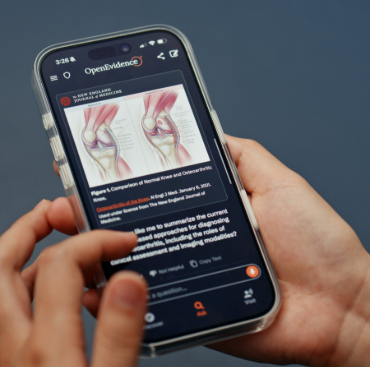
Healthcare systems worldwide are increasingly exploring whether generative AI can help clinicians work with large amounts of medical information more efficiently.
However, the technology also faces challenges. Reuters noted that AI systems trained mainly on data from high-income countries may not always reflect local medical practices and conditions elsewhere.
OpenEvidence has already been working with health organizations in Rwanda and Botswana to adapt its tools to local settings. The company says its approach is designed to be context-adaptive.
Nadler also pointed to smartphone access as an important factor. Even in areas where healthcare facilities may not have reliable electricity around the clock, many doctors still have smartphones that could provide access to medical information.
The partnership marks another step in the expansion of medical AI, with Anthropic’s technology and OpenEvidence’s medical knowledge platform being used to bring clinical decision-support tools to healthcare professionals beyond the world’s wealthiest health systems.