
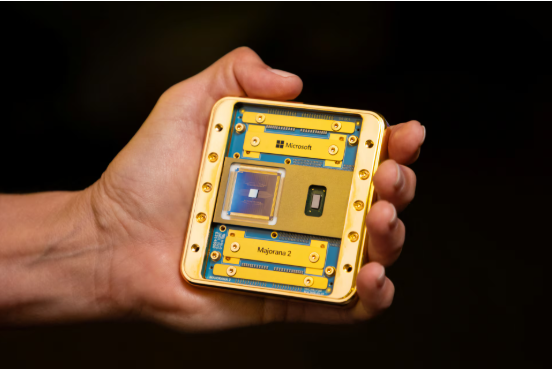
Microsoft is giving the U.S. Defense Advanced Research Projects Agency (DARPA) direct access to its quantum system at a new research center in Maryland.
The facility, opened by Microsoft alongside the University of Maryland and other industry partners, will house a new quantum system using Microsoft’s Majorana 2 chip. DARPA will independently test and evaluate the system on site.
DARPA Gets Direct Access to Microsoft’s Quantum System
The new center is located in the University of Maryland’s Discovery District near Washington, D.C.
Until now, DARPA has evaluated Microsoft’s quantum technology remotely. Its experts accessed Microsoft’s machines in Redmond, Washington, as well as systems in Europe.
The Maryland facility changes that arrangement by giving DARPA physical access to the hardware. Its experts will be able to load the system and run it through their own boot sequences as part of the evaluation process.
Microsoft Quantum corporate vice president Zulfi Alam described the arrangement as an important step because it will allow DARPA to closely examine how the machine performs.
The evaluation is also intended to bring greater engineering discipline as Microsoft moves its quantum technology from research toward commercial products.
Majorana 2 Chip at the Center
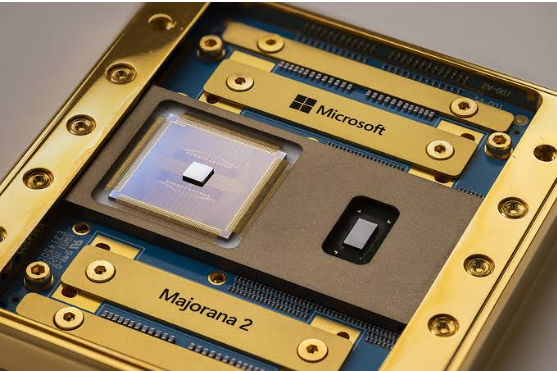
The quantum system installed at the Maryland facility will initially use Microsoft’s Majorana 2 chip.
Microsoft has said the system will also be designed so that future chips developed by the company can be installed. This could allow DARPA to continue evaluating Microsoft’s technology as the hardware develops.
Quantum computing uses quantum-mechanical principles to process information in ways that differ from conventional computers.
The technology has attracted attention because quantum computers could eventually tackle certain problems that would take conventional machines extremely long periods to solve.
One area of particular interest to national security officials is encryption. More powerful quantum computers could have implications for both protecting encrypted communications and potentially breaking some existing forms of encryption.
DARPA Evaluating Quantum Technology

Microsoft is one of several quantum computing companies being evaluated by DARPA.
The agency is examining whether different approaches can eventually produce economically feasible quantum computing systems by 2033.
A key part of DARPA’s evaluation is determining whether the value of computations produced by a quantum system can justify the cost of operating the technology.
That makes the Maryland facility significant beyond simply providing a new location for Microsoft’s hardware. It gives DARPA an opportunity to conduct more direct testing as the company works toward a commercially viable system.
Microsoft currently plans to have commercial quantum systems ready by 2029.
The new research center therefore comes as the company moves from developing experimental quantum technology toward its longer-term commercial ambitions.