
The EU social media ban for children under 13 is part of a proposal aimed at improving online safety and protecting children across the European Union.
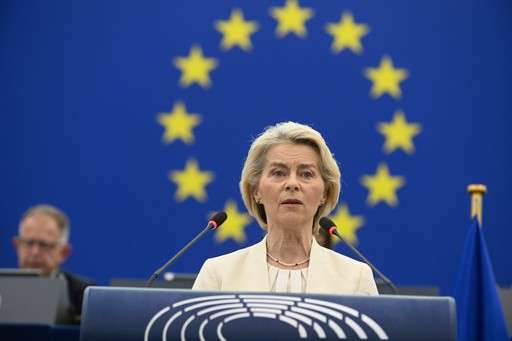
The proposal was announced by European Commission President Ursula von der Leyen during her annual State of the European Union speech on September 16, 2026. It forms part of a wider plan to improve online safety and protect children from harmful digital experiences.
The proposed rules are included in the EU KIDS Act, which seeks to introduce common standards for children’s access to social media, online games and certain artificial intelligence services.
Restrictions for Younger Users
Under the proposal, children below the age of 13 would not be allowed to access social media services covered by the legislation.
Children aged between 13 and 15 could use limited social media accounts managed by a parent or guardian. These accounts would include restricted features, parental controls and a proposed screen-time limit of one hour per day.
The European Commission has also proposed setting the minimum age for independently opening an account at 15. This approach is intended to create a gradual transition as children become older and gain more independence online.
However, child-friendly video-sharing services could remain available to younger children through accounts controlled by parents or guardians.
Focus on Safer Digital Platforms
The proposed legislation would require technology companies to demonstrate that their services are safe and appropriate for children.
The rules would target potentially harmful design features, including infinite scrolling, profiling-based recommendations and other systems that encourage prolonged use.
The proposal also covers certain online games, video-sharing platforms and AI companions or chatbots that may present risks to minors.
AI systems designed for children would face additional requirements, including safeguards intended to prevent harmful interactions and inappropriate content.
The European Commission says platforms should take greater responsibility for protecting young users instead of placing the entire burden on children and their families.
Concerns About Privacy and Enforcement
Implementing the proposed restrictions could present challenges for technology companies, parents and regulators.
Platforms would need effective age-verification systems to determine whether users meet the required age limits. However, age checks may raise privacy concerns, particularly if they require users to provide personal information.
Technology industry representatives have also questioned whether the proposed rules could duplicate existing regulations and create additional compliance requirements.
The European Commission argues that a unified approach would help prevent different national rules from creating confusion across the European digital market.
Proposal Still Requires Approval
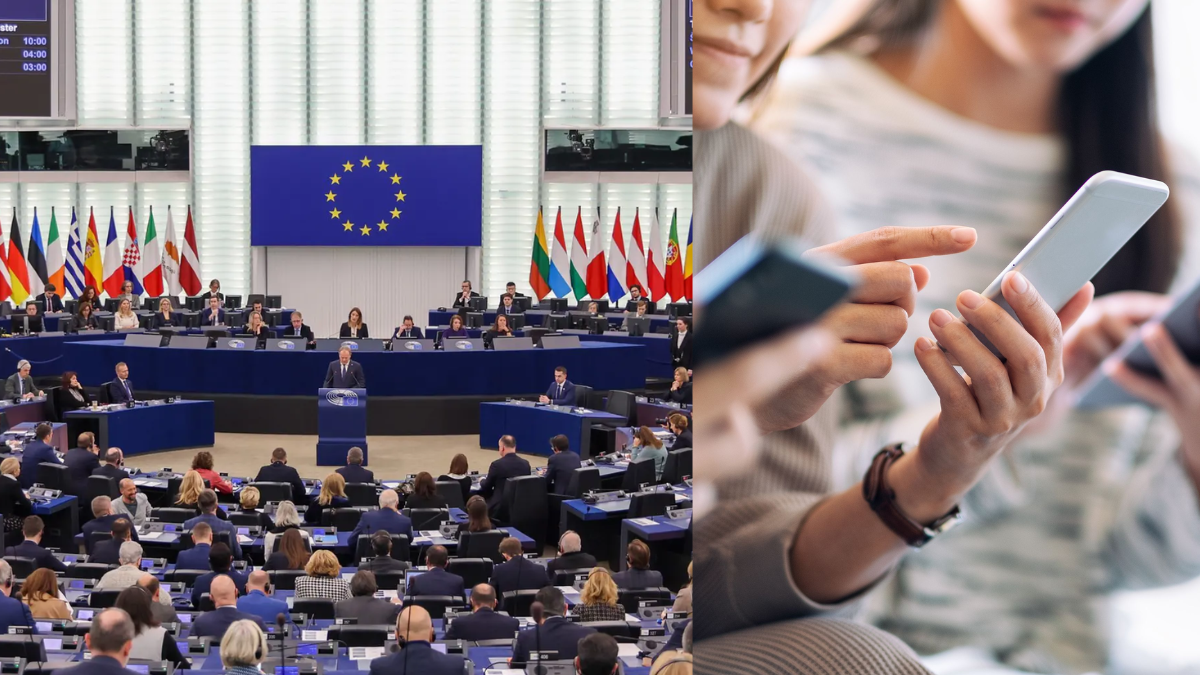
The EU KIDS Act is currently a legislative proposal and is not yet a final law. It must go through discussions and approval processes involving EU member states and the European Parliament.
If adopted, the legislation could influence how major platforms such as TikTok, Instagram, YouTube and other digital services manage younger users.
The proposal reflects growing international discussions about children’s online safety, including concerns about addictive platform features, harmful content and the impact of digital services on young people.
The timing and final details of any new restrictions will depend on the legislative process and negotiations within the European Union.