
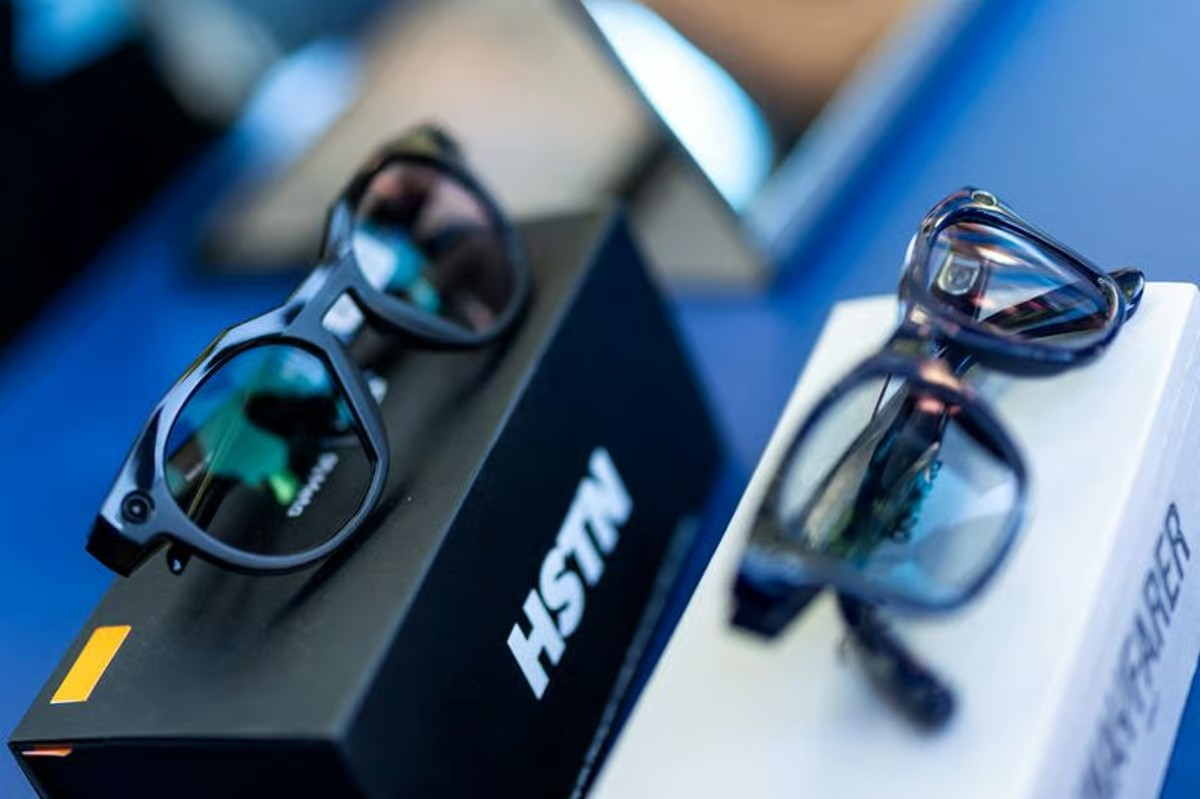
French authorities have increased scrutiny of smart glasses after reports of alleged sexual harassment and privacy violations involving camera-equipped devices.
Reuters reports that prosecutors in Paris have opened a criminal investigation. The probe follows complaints tied to a social media trend where women were filmed without consent. The videos were then allegedly shared online.
The investigation comes as smart glasses become increasingly popular. Thus, it raises questions about privacy and public safety, and about technology companies’ responsibilities.
Meta Smart Glasses Face Growing Scrutiny
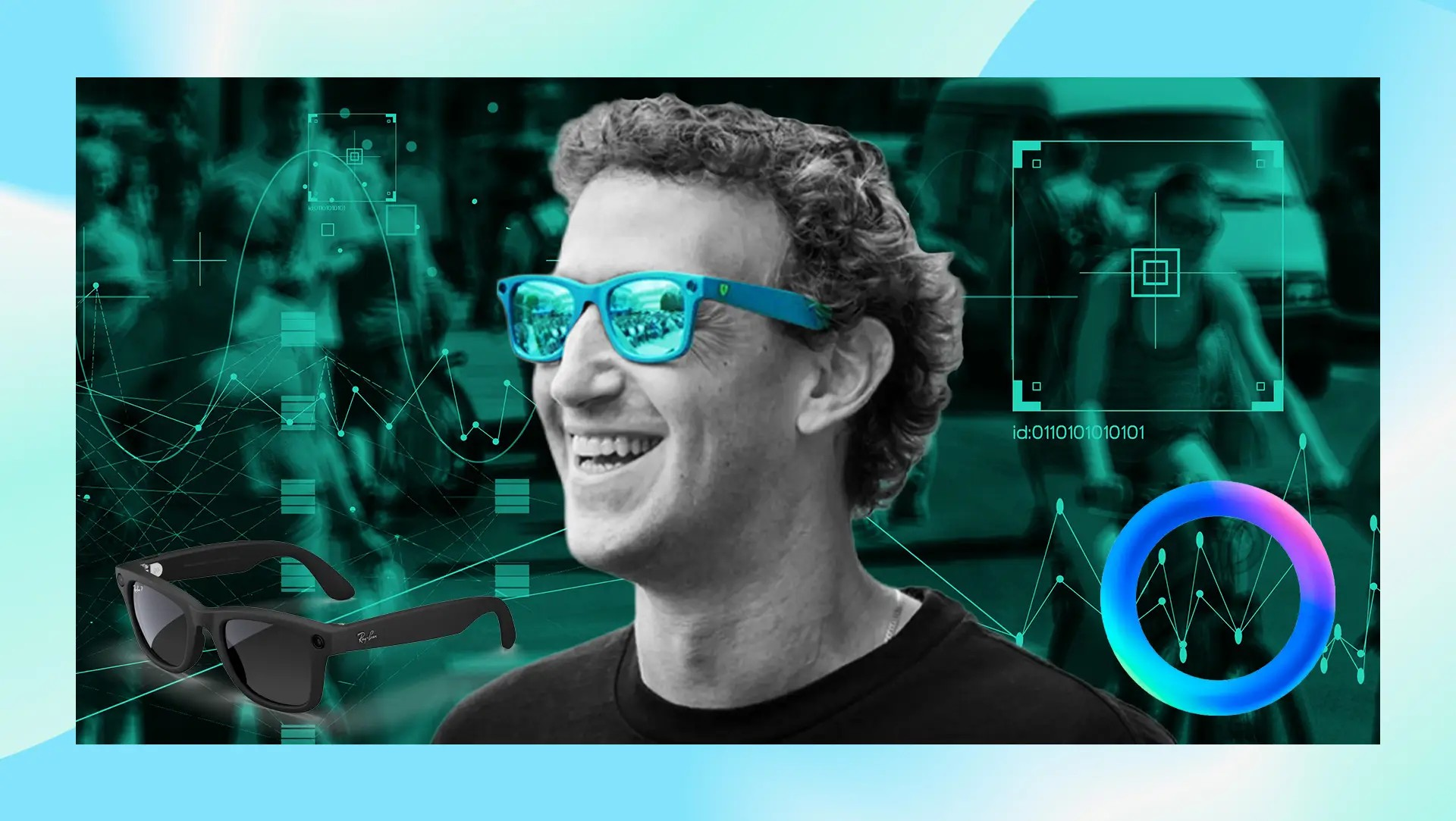
Several smart glasses are available on the market, but devices produced by Meta in partnership with EssilorLuxottica are reportedly the market leaders, holding approximately 76% of the global market.
Meta’s AI-enabled glasses include a small camera that allows users to take photographs and record videos. Reuters reported that approximately seven million units were sold last year, demonstrating the growing demand for wearable technology.
However, the devices’ discreet recording capabilities have attracted criticism from privacy advocates and regulators. Critics argue that people nearby may not always realize when they are being recorded.
The Paris prosecutor’s office told Reuters that its cybercrime unit tested smart glasses approximately two weeks ago. The testing was intended to help authorities understand the potential offences that could be committed using the devices.
Privacy Concerns in the Workplace
France’s data protection authority, the CNIL, has also received complaints concerning the use of smart glasses in workplaces.
The authority said it had received fewer than 10 complaints related to workplace use and was increasingly being contacted by businesses asking whether they could prohibit the devices.
Nacera Bekhat, an economic affairs official at the CNIL, said smart glasses raise important questions about informing people that they are being recorded and obtaining consent where necessary.
The devices are subject to European data protection rules, including the General Data Protection Regulation (GDPR), as well as the European Union’s AI legislation.
Nevertheless, experts told Reuters that enforcing privacy protections can be difficult when recorded content is rapidly shared across the internet.
Debate Over Recording Indicators
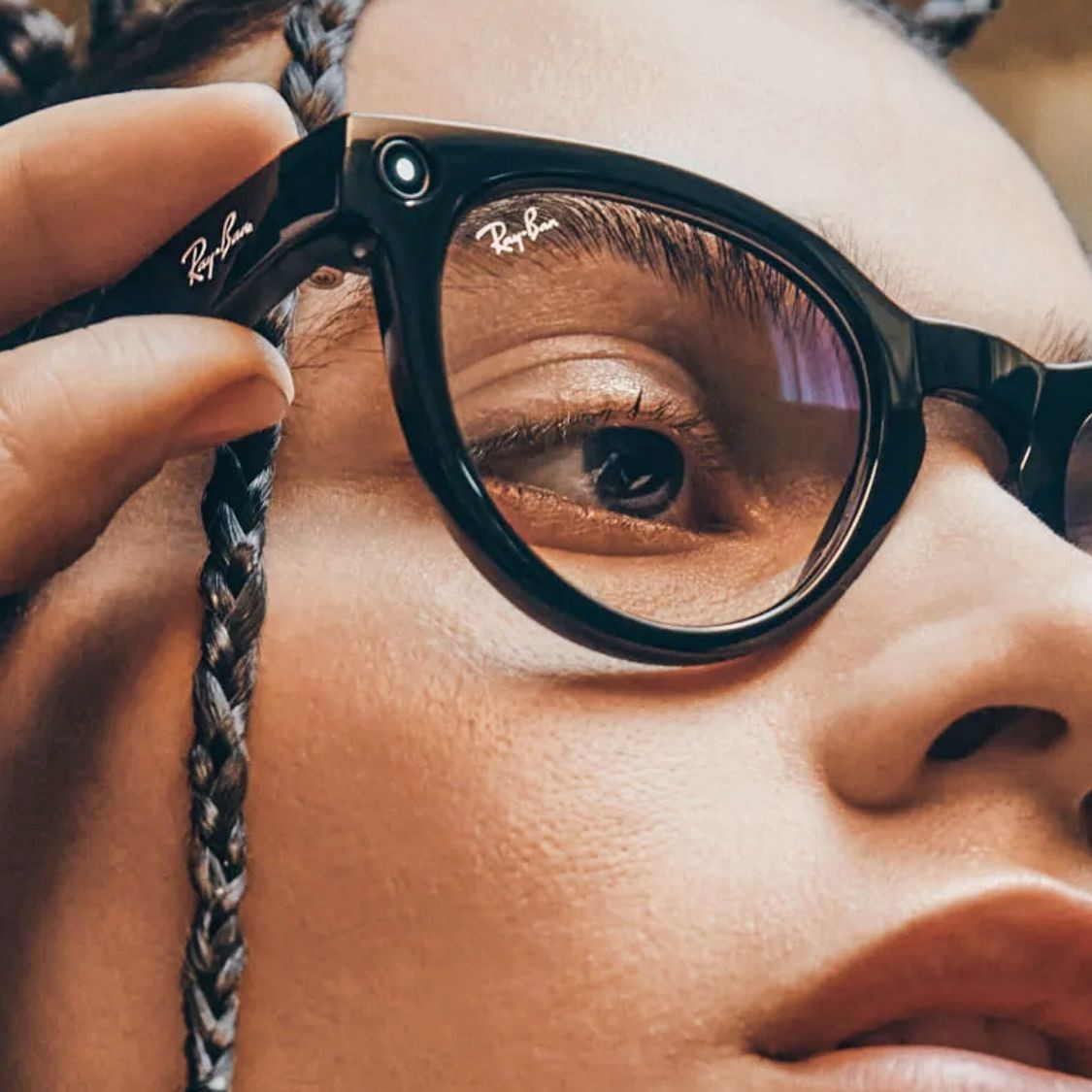
Meta’s smart glasses contain a small LED indicator that signals when the camera is recording. The company has said the indicator cannot be disabled.
Privacy advocates, however, argue that the light does not necessarily provide meaningful protection. A person noticing an indicator does not automatically mean they have agreed to being recorded or having their image distributed online.
Inès Legendre, a legal expert at e-Enfance, said that seeing a recording light does not constitute consent to filming or widespread publication.
Rights groups have urged technology manufacturers to strengthen safeguards rather than placing the responsibility entirely on people who may be recorded.
A Wider International Debate
France’s investigation is part of broader international concerns surrounding camera-equipped smart glasses. Reuters has also reported that Australia is considering restrictions on the use of such devices in government buildings, while other countries and organizations have introduced limitations in specific locations.
Meta said it had built privacy protections into its AI glasses from the beginning and would continue strengthening those measures as the technology develops.
The growing debate highlights the challenge of balancing innovation with privacy, consent and public safety as AI-powered wearable devices become more common.