
Scientists at Southern Illinois University Carbondale (SIU) have successfully transformed discarded PET plastic bottles and agricultural waste into protein-rich, 3D-printed cookies called µBites (pronounced “microbites”). The research, presented at the American Chemical Society’s Fall 2026 meeting in Chicago (August 23–27), emerged from NASA’s Deep Space Food Challenge, which sought technologies capable of producing food in resource-limited environments like long-duration space missions. The project was led by Dr. Lahiru Jayakody, associate professor of microbiology at SIU, alongside graduate student Sandhya Jayasekara.
How Plastic Becomes a Cookie
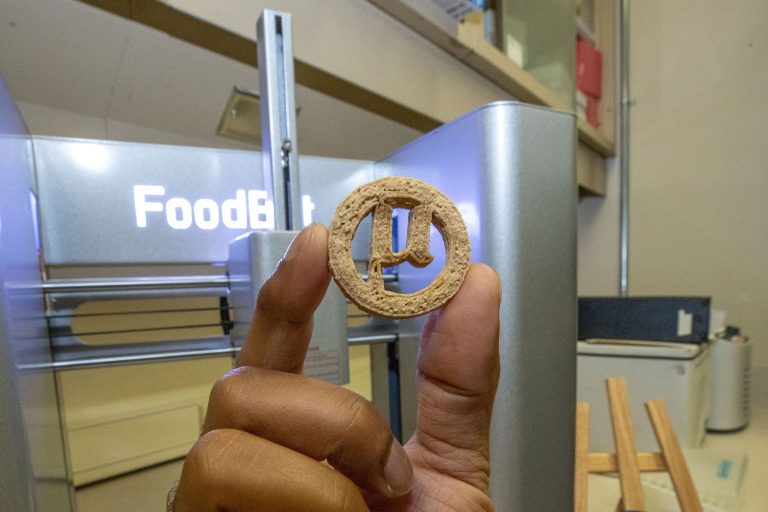
The process begins with polyethylene terephthalate (PET), the plastic used in water and soda bottles, mixed with discarded corn stalks, leaves, and other biomass. These materials undergo oxidative hydrothermal dissolution, a technique developed by geology professor Ken Anderson at SIU, which uses water and oxygen at high temperature and pressure to break down the tough polymers into carbon-rich fragments that microbes can metabolize. These fragments are then fed to genetically engineered yeasts, including baker’s yeast, which convert them into proteins, fats, and organic acids. The resulting ingredients are combined with fiber, starch, and sweetener, then extruded through a 3D printer and microwaved to form the cookie. The team also engineered yeast strains to produce vanillin (vanilla flavor) from plant biomass and beta-carotene (a vitamin A precursor) from ethylene glycol derived from PET, improving both flavor and nutritional value.
NASA Origins and Practical Challenges
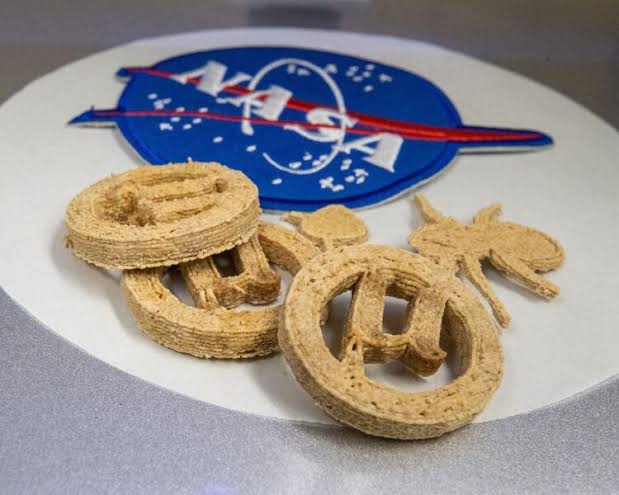
The project emerged from NASA’s Deep Space Food Challenge, with the goal of developing food production systems for long-duration missions where carrying all meals is impractical. “We thought, why not focus on creating food?” Jayakody explained. “Because plastic is carbon and food is carbon.” However, significant hurdles remain before µBites reaches consumers. The process currently involves 33 steps, takes one to two days, and costs approximately $60 per kilogram. Crucially, no one has actually tasted the cookies yet—the team is awaiting institutional approval for taste tests. While aroma testing has received positive feedback, with most participants saying they would eat the cookies in resource-limited situations, full safety and regulatory testing remains pending. Pamela Silver, a synthetic biologist at Harvard Medical School who was not involved in the research, noted that the real barriers tend to be scalability, cost, and texture, adding that “texture comes from fats,” and these cookies don’t have much.
Expert Skepticism and Broader Implications
Not everyone is enthusiastic. Dr. Mohamed Al-Tawaha, a climate and environmental expert, expressed strong reservations during a phone interview on Cairo News, stating that “science has started to go crazy” and emphasizing that “plastic is not for cookies.” He stressed the need to distinguish between “theoretical laboratory success” and “food safety and societal ethics,” warning that introducing plastic derivatives into the human food chain requires extremely strict standards to prevent environmental solutions from becoming health disasters. Despite these concerns, the research points to broader applications beyond space exploration. The team hopes the technology could eventually serve submarines, disaster zones, and Martian or lunar colonies. With the United Nations projecting global food demand could rise 35–56% by 2050 and roughly 30% of the world’s population at risk of hunger, Jayakody believes the answer lies in microbes: “Microbes are very clever. So, we are using their traits to solve the problems we created.