
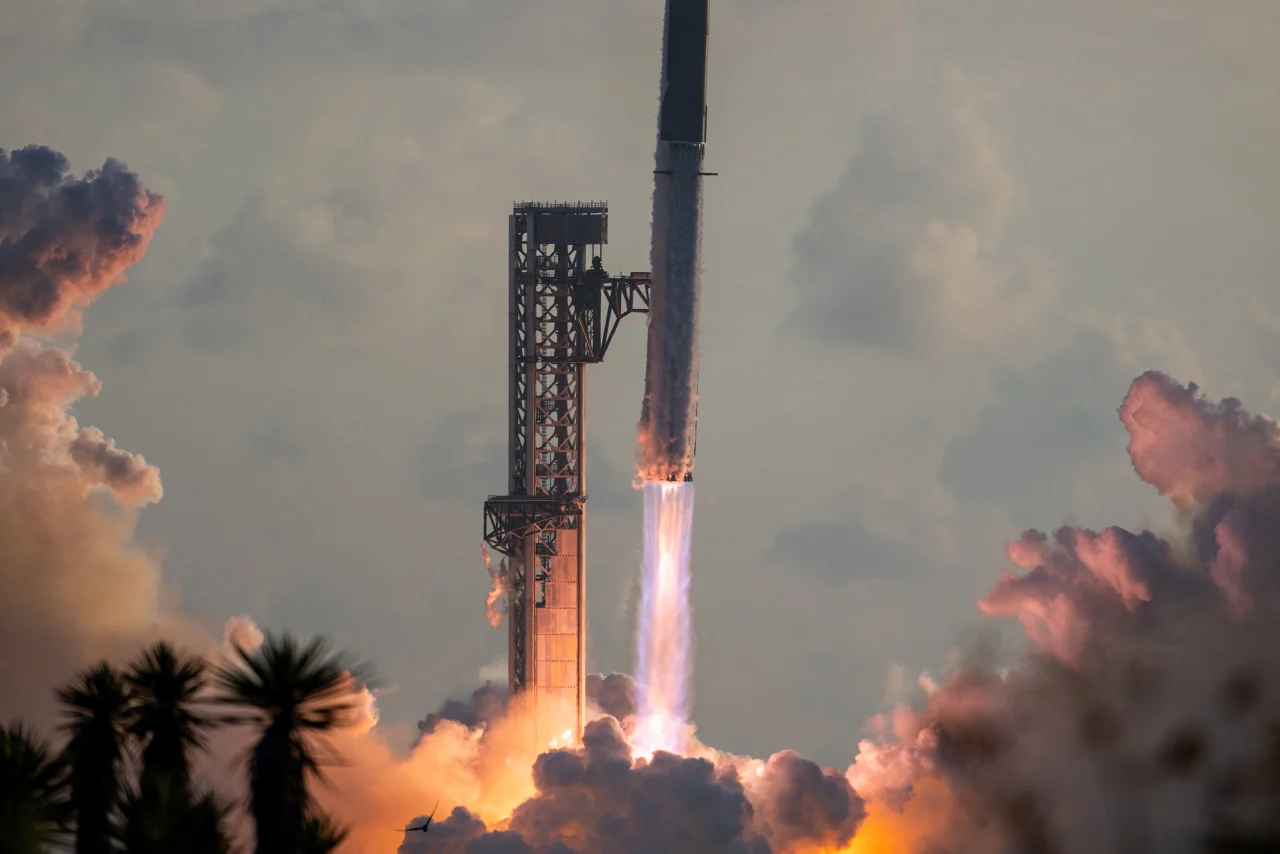
SpaceX’s Starship, the most powerful rocket ever built, reached orbit for the first time on Monday, September 28, 2026, deploying 26 next-generation Starlink satellites in a historic flight that marks the vehicle’s transition from experimental testing to operational capability. The uncrewed 40-story-tall rocket lifted off from SpaceX’s Starbase facility in South Texas at 7:48 a.m. local time, with the Super Heavy booster separating successfully before the upper-stage Starship ignited its engines to enter orbit.
A Flight That Nearly Didn’t Happen
The mission, designated Flight 14, was the first of Starship’s 14 test flights intended to reach orbit rather than follow a suborbital trajectory . However, the flight nearly ended prematurely when one of Starship’s six Raptor engines shut down during the climb. SpaceX spokesperson Dan Huot initially told webcast viewers that the company had called off the orbit attempt, saying “The team has made the call not to commit to orbit” . Minutes later, Huot reversed course: “We are not giving up yet” . Mission control subsequently confirmed “Starship is orbital“.
The Payload: 26 Starlink V3 Satellites
Starship successfully deployed all 26 Starlink V3 satellites, with SpaceX confirming its Starlink team made contact with each one . Each V3 satellite adds 1 terabit per second of capacity, meaning the mission alone contributes approximately 26 Tbps—about 10 times what a Falcon 9 launch of older satellites provides . Three of the satellites carry cameras specifically designed to inspect Starship’s heat shield and beam imagery back to engineers, supporting future reusability goals.
A Mission Cut Short but Still Historic
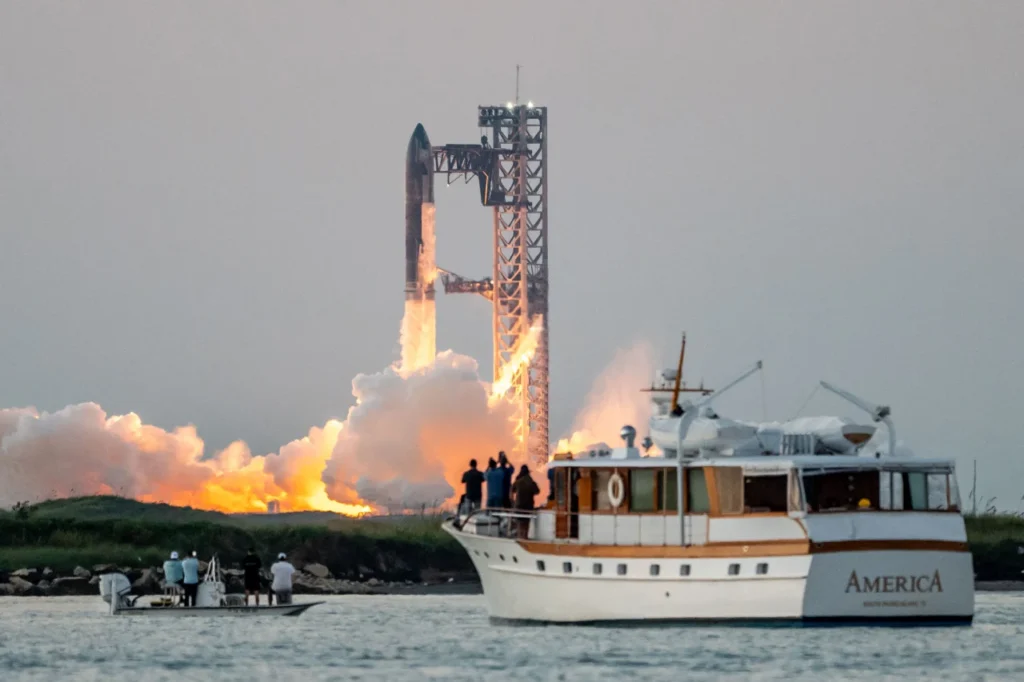
SpaceX had planned for Starship to complete six orbits over a nearly 10-hour flight before splashing down in the Pacific Ocean west of Chile . Instead, the company announced it would bring Starship down after approximately three hours in orbit due to the engine issues, targeting a pre-cleared area of the Pacific . The Super Heavy booster performed a controlled splashdown in the Gulf of Mexico as planned . NASA Administrator Jared Isaacman praised the mission on X, writing: “Gorgeous launch, getting Ship to orbit and managing every step in a safe, responsible, and especially inspirational way”.

What This Means for SpaceX and NASA
Reaching orbit is a long-delayed milestone for Starship, which Elon Musk initially predicted would achieve the feat in 2022 . The vehicle is central to SpaceX’s plans for expanding its Starlink constellation, and NASA intends to use a version of Starship to land astronauts on the Moon under its Artemis program . Musk has said he envisions ultimately flying hundreds or thousands of Starships annually, a launch pace unprecedented in the space industry .