
Teqball has reached an important milestone after awarding its first medals at the 2026 Asian Games in Aichi-Nagoya, Japan. The sport, which combines elements of football and table tennis, made its official debut at the continental competition as athletes competed for medals across several categories.
Thailand emerged as one of the strongest nations in the competition, winning three of the five titles. Competitors from countries including South Korea, Kuwait and Japan also featured in the medal events, highlighting the growing interest in the sport across Asia.
The historic debut has also renewed discussions about teqball’s ambitions to become an Olympic sport.
A Sport Combining Football and Table Tennis

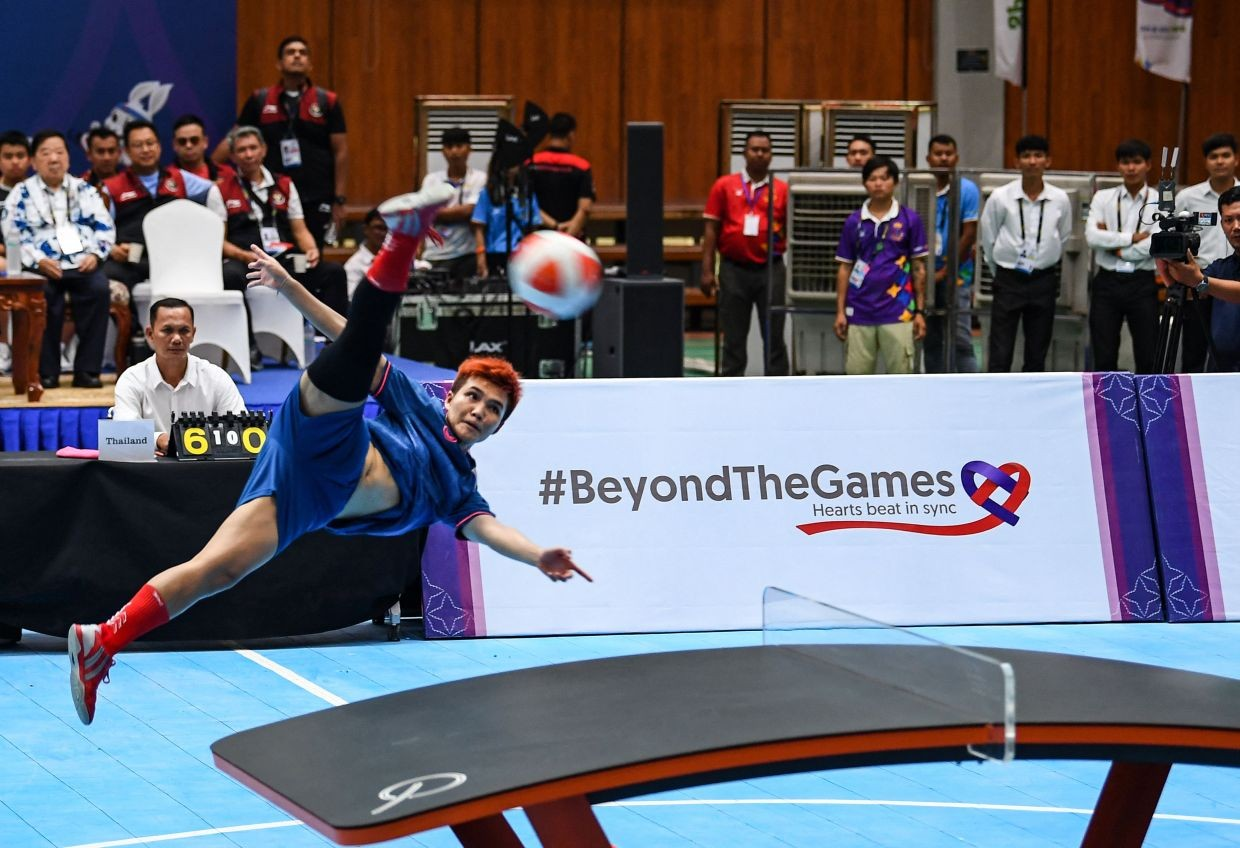
Teqball is played on a specially designed curved table using a football. Players use different parts of their bodies, excluding their hands and arms, to return the ball across the table.
The sport was developed in Hungary a little over a decade ago by football enthusiasts. Since then, it has expanded internationally, attracting players with football backgrounds and gaining attention from professional clubs and former football stars.
Its technical nature requires players to demonstrate balance, coordination, accuracy and quick reactions. These qualities have helped teqball develop a unique identity within international sport.
Former football players, including Carles Puyol, have supported the sport, while several major football clubs have used teqball tables during training sessions.
Thailand Among the Leading Nations
Thailand delivered a strong performance during the Asian Games competition, winning three of the five available titles.
The country’s success reflects the connection between teqball and other Asian sports that involve technical kicking skills, including sepak takraw. Some athletes have transferred their experience from those sports into teqball.
The competition also provided an opportunity for athletes from less-established teqball nations to gain international experience and compete on a major sporting stage.
South Korea secured a historic medal when Lee Jun-suk reached the men’s singles final. He defeated Kuwait’s Zaid Eidan in the semifinal after Eidan withdrew because of an injury.
Lee’s achievement marked South Korea’s first Asian Games medal in teqball and represented an important moment for the country’s developing programme.
Could Teqball Reach the Olympics?
The International Teqball Federation, known as FITEQ, hopes the sport’s growing international presence will strengthen its case for Olympic recognition.
Teqball officials believe its youth appeal, technical demands and international participation could support future inclusion in the Olympic programme. The sport’s appearance at the Asian Games provides additional exposure and allows athletes from across the continent to compete under a major multisport event.
However, teqball is not currently part of the Olympic Games. Its inclusion would depend on meeting the requirements and decisions of the International Olympic Committee.
The sport’s supporters are hoping that continued development, wider participation and stronger international competition could bring it closer to Olympic recognition in the future.
A Major Step for Global Growth
The Asian Games debut represents another stage in teqball’s expansion beyond its Hungarian origins.
With more national federations joining the sport and growing interest among young athletes, the competition in Japan could help introduce teqball to new audiences.
Although Olympic inclusion remains an ambition rather than a confirmed outcome, the awarding of Asian Games medals gives the sport an important platform to build on.