Uganda’s first cleaning day has sparked fresh debate about the country’s long-standing waste-management challenges after large volumes of garbage collected during the exercise remained piled up in some parts of Kampala awaiting collection.
The nationwide cleaning exercise, held on Saturday, July 25, 2026, brought normal activities to a temporary halt as communities across the country swept streets, cleared drainage cannels, collected rubbish and cleaned public spaces. The exercise was part of a new government initiative that will see the last Saturday of every month designated as a National Cleaning Day.
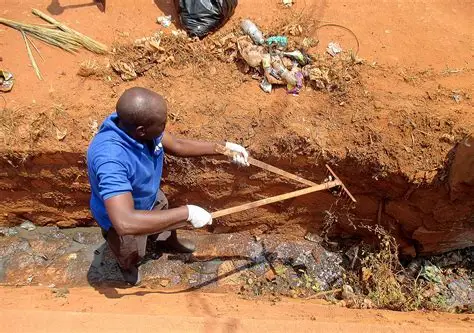
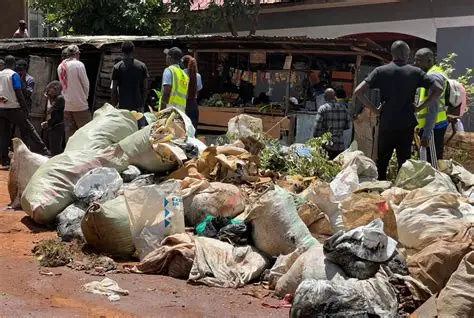
However, while the exercise created cleaner surroundings in several areas, it also revealed the scale of the garbage problem facing Kampala. In some parts of the city, heaps of waste collected during the exercise remained along roads as authorities worked to transport and dispose of rubbish.
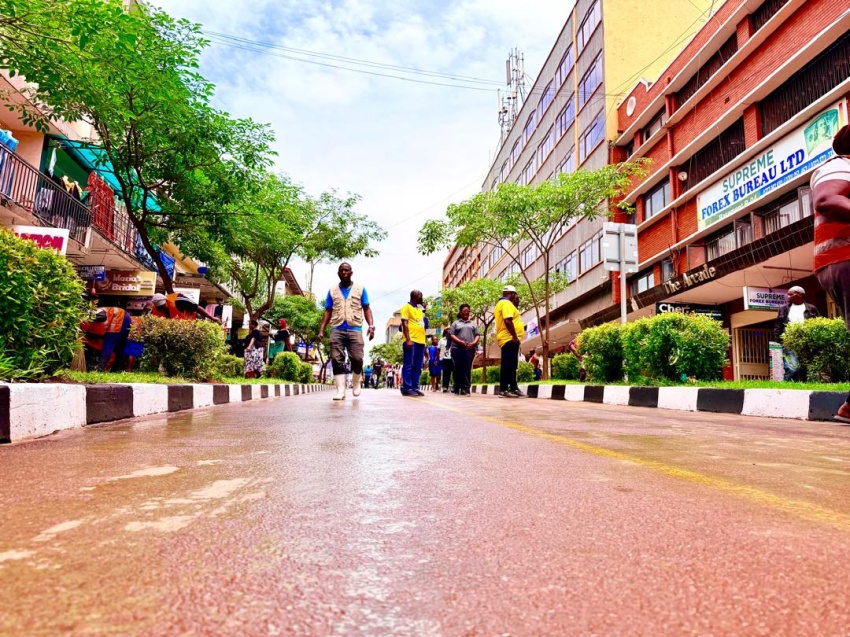
During the three-hour exercises, residents, local leaders, government officials, business owners, security personnel and community groups took part in activities including sweeping roads, clearing blocked drainage channels, collecting garbage and cleaning public spaces.
The government says the programme is aimed at improving sanitation, preventing diseases and encouraging Ugandans to take greater responsibility for the environment. The initiative is expected to take place on the last Saturday of every month.
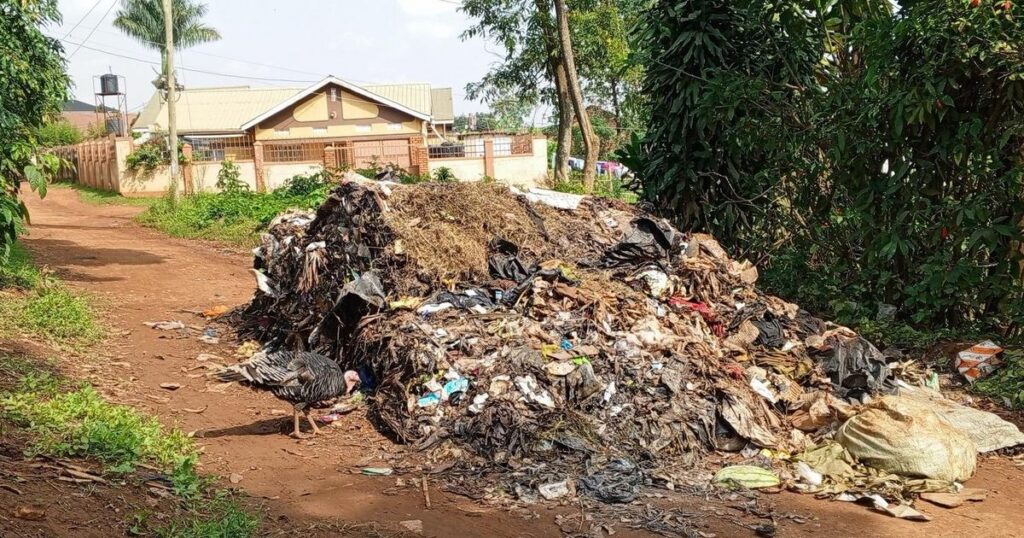
The cleaning campaign was launched at a time when Kampala continues to face serious sanitation challenges. The Ministry of Health has reported that the capital generates between 2,000 and 2,500 tones of solid waste every day, while only a portion of that is disposed of properly.
The uncollected waste can block drainage channels, pollute the environment and increase the public-health risks. for more Click here
In Kampala the exercise uncovered the amount of waste that had accumulated in several communities.
According to reports, large heaps of garbage were seen along some roads after residents completed the cleaning exercise.
In Kawempe Division, for example, collected waste remained in some areas awaiting removal.
KCCA acknowledged that the national exercise generated an unusually high amount of garbage across the city.
Officials said the exercise also exposed the extent of waste that had accumulated in the homes, neighborhood and public spaces.
KCCA has clarified that the National Cleaning Day is not intended to replace the authority’s weekly Weyonje clean-up campaign.
Instead, the national government programme is expected to complement the weekly initiative by helping communities to clean areas that may not be regularly covered by the Weyonje campaign.
KCCA officials have also pointed to the fact that waste entering Kampala from surrounding metropolitan areas contributes to the city’s sanitation burden.
This means that solving Kampala’s garbage problems may require cooperation between the capital and neighboring districts.
The authority says increased government funding will support improvements in waste management, including the rehabilitation of Buyala dumpsite and the procurement of additional garbage collection and transportation trucks in the city.
KCCA has also introduced Ambiance Ambassadors to help monitor public spaces and discourage littering.
Residents have been urged to dispose of waste responsibly, avoid throwing rubbish into drainage channels and take greater responsibility of the cleanliness of their neighborhood.