
The Ugandan government has invested Shs180 billion in a specialised PET and nuclear medicine facility at the Uganda Cancer Institute (UCI), a move aimed at transforming cancer diagnosis and treatment in a country where the disease burden is rising rapidly . The facility will house three PET machines and a cyclotron, which produces the radioactive isotopes and tracers required for PET imaging . According to Dr Diana Atwine, Permanent Secretary at the Ministry of Health, the first PET machine is expected to be fully operational by the end of 2026, with the PET bunker already prepared and the machine being shipped . This investment comes as Uganda records an estimated 34,000 to 36,000 new cancer cases annually, with the majority of patients currently forced to travel to Kenya or India for PET-CT imaging .
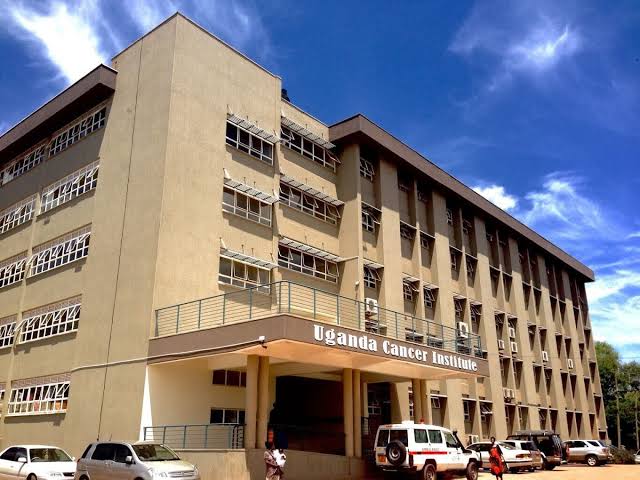
The scale of Uganda’s cancer crisis is staggering. According to UCI Executive Director Dr Jackson Orem, 80% of the approximately 36,000 patients diagnosed annually die within a year, largely due to late detection . At any given time, 70,000 to 80,000 people are living with cancer in Uganda, with cervical, breast, prostate, esophageal cancers, and lymphomas being the most common . The Uganda Cancer Institute now sees an average of 278 patients daily, with new patient registrations rising 10% in the past year alone . These figures underscore the urgent need for improved diagnostic capacity—and PET scans, which can reveal the metabolic function of tissues and organs, are considered essential for accurate staging and treatment planning .

While the PET investment has been welcomed, experts and legislators argue that equipment alone is insufficient. Dr Joseph Muvawala, Executive Director of the National Planning Authority, noted that PET services will allow doctors to determine the actual stage of cancer, replacing current results that “at times mismatch” . However, Dr Orem has warned that UCI’s budget allocation can only treat 30% of patients who need care, leaving over 70% to die without treatment or abandon treatment midway . MPs have also raised concerns about screening infrastructure—noting that UCI currently has only one cancer screening van serving the entire country, despite repeated budget requests for more over four consecutive years . Dr Atwine has acknowledged the broader challenge, stating that the government is pursuing “serious reforms” focused on putting the patient at the centre of care .
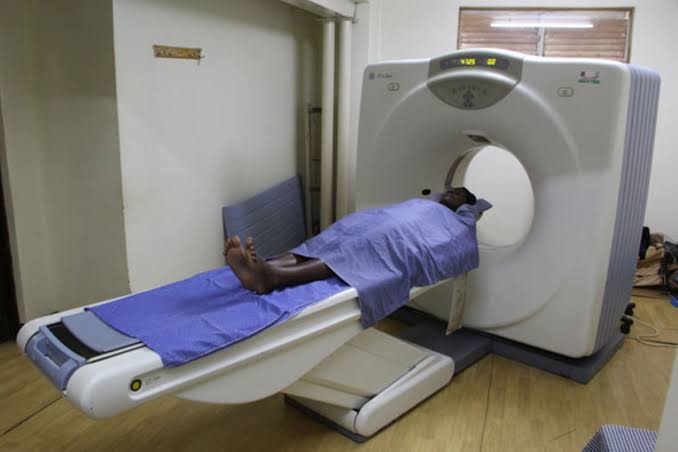
The government’s strategy extends beyond PET scans to include regional cancer centres in Arua, Mbale, Mbarara, and Gulu, aimed at bringing services closer to patients and decongesting the Mulago facility . Construction of the PET centre, the first of its kind in East Africa and the second on the African continent, began in July 2025, with preparations for the project starting as far back as 2022 . As Uganda awaits the first PET scans later this year, the critical question remains whether this investment will be matched by adequate staffing, reliable power supply, and sustained funding for the life-saving treatment that must follow diagnosis. Dr Atwine has promised that “government has heard your cry” and committed to treating cancer as a national emergency, but the true test will be whether the system can deliver on that promise for the thousands of Ugandans who walk through UCI’s doors every single day .