


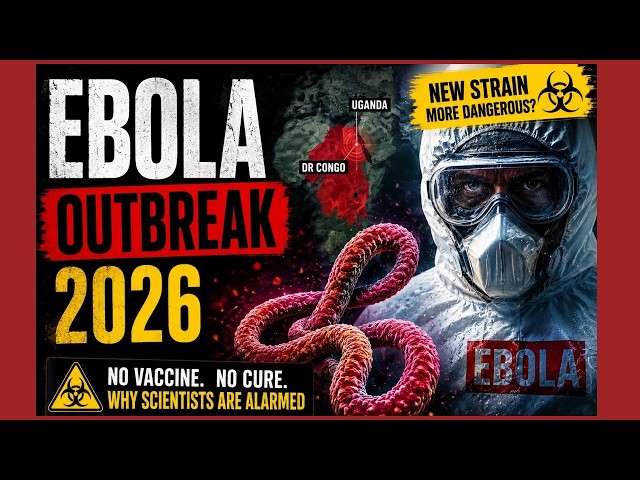
Ebola remains one of the world’s most feared infectious diseases due to it’s high fatality rate, and the severe outbreaks that have affected several African countries over the past decade. While outbreaks are relatively rare, they often raise concerns and misinformation among people.
To help separate facts from fiction, leading epidemiologists have addressed some of the most common questions people ask about Ebola. Here are three frequently asked questions, and what the science says.
1. How Does Ebola Spread ?
One of the biggest misconceptions about Ebola is that it spreads through air like influenza or COVID-19. According to World Health Organization (WHO), Ebola is not an airborne disease.

Instead the virus spreads through direct contact with :
- Blood or body fluids of an infected person.
- Contaminated medical equipments such as needles.
- Clothing, beddings or other objects contaminated with infected body fluids.
- Infected wildlife, including fruit bats and some primates.
Dr. Micheal Osterholm, an internationally recognized epidemiologist and the director of the Center for Infectious Disease Research and Policy (CIDRAP), has emphasized that Ebola requires close contact for transmission.
” Ebola is transmitted through direct contact with infectious body fluids. It is not spread through the air like influenza or COVID-19. “
2. What Are The Early Symptoms of Ebola ?
Early detection is essential because Ebola symptoms initially resemble those of common illnesses.
According to U.S. Center of Disease Control and Prevention (CDC), symptoms typically appear 2 to 21 days after exposure and may include :
- Sudden fever
- Severe headache
- Fatigue
- Muscle pain
- Sore throat
As illness progresses, patients may develop
- Vomiting
- Diarrhea
- Abdominal pain
- Skin rash
- Internal or external bleeding on some several cases
Dr. Matshidiso Moeti, the World Health Organization’s Regional Director for Africa, has repeated stressed that early diagnosis and rapid isolation are critical to stopping outbreaks before they spread further.
3. Can Ebola Be Prevented ?
Yes.
Although Ebola was once considered almost untreatable, significant medical advances have improved survival rates.
Preventive measures include :
- Avoid contact with infected individuals.
- Frequent hand hygiene.
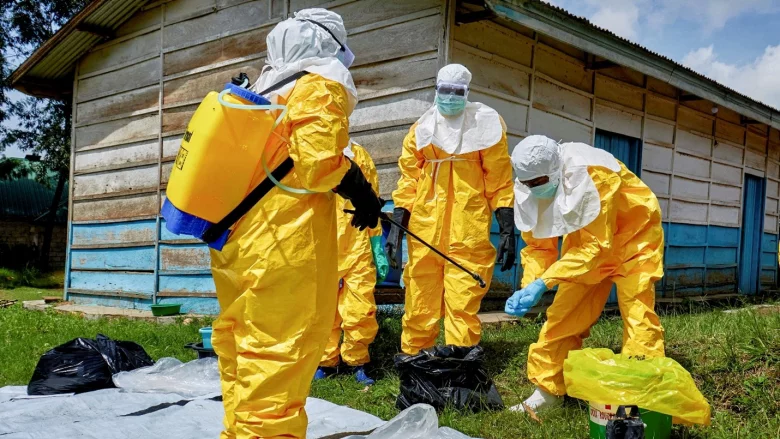
- Wearing personal protective equipment (PPE) when caring for patients.
- Safe burial practices
- Prompt reporting of suspected cases to health authorities.
Vaccines have also become an important tool.
The Ebola vaccine has shown high effectiveness against the Zaire strain of Ebola virus and has been used successfully to help contain outbreaks.
According to WHO Director-General Dr. Tedros Adhanom Ghebreyesus :
” Vaccines, diagnostics and therapeutics have transformed our ability to respond rapidly and save lives during Ebola Outbreaks. “
Doctors now also use monoclonal antibody treatments that significantly improve survival when administered early.
Final Thoughts
Ebola remains are serious public health threat, but today’s response is far stronger than it was a decade ago. Thanks to advances in surveillance, vaccines, treatments and public health education, outbreaks can be detected earlier and controlled more effectively.
Understanding how Ebola spreads, recognizing it’s symptoms, and following guidelines health experts are among the most effective ways individuals and communities can protect themselves.
Staying informed through credible scientific sources, not rumour or misinformation remain one of the best defenses against future Ebola outbreaks.